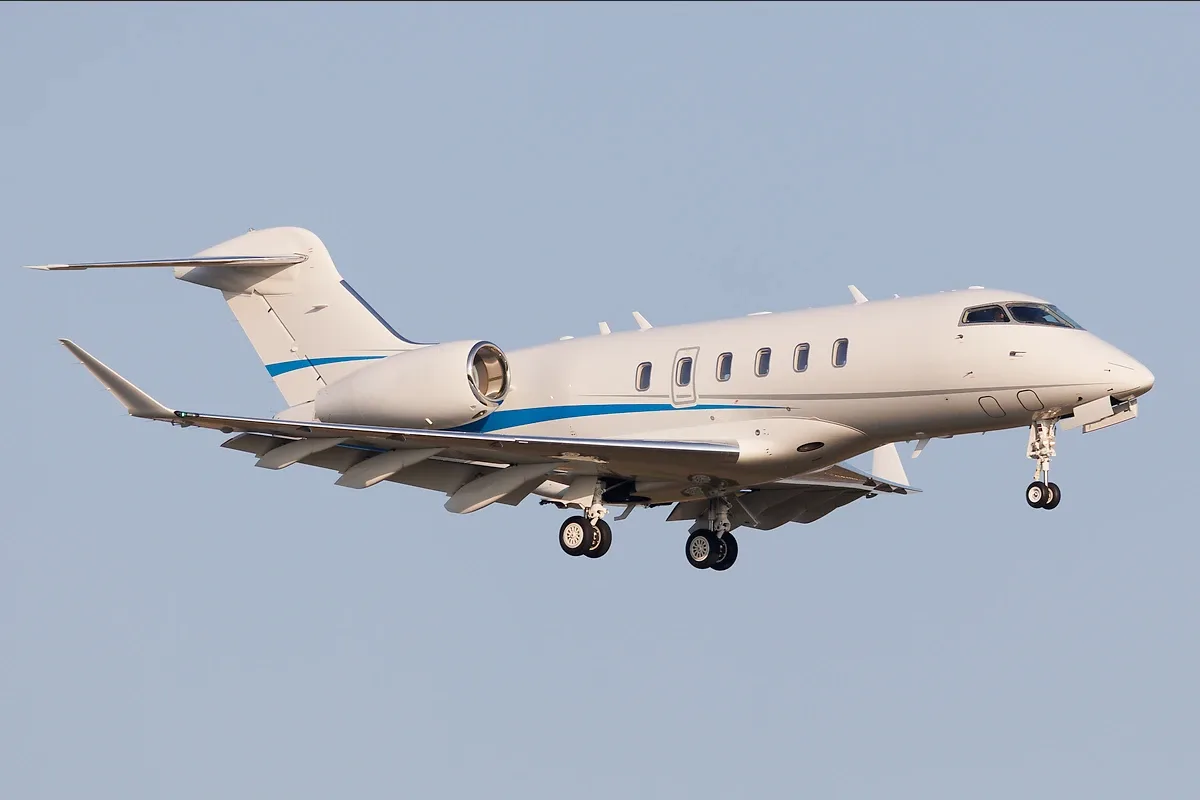
Challenger 3500 Super Midsize Jet Charter Guide
Challenger 3500 at a glance
Charter a Challenger 3500 super-midsize jet. Review 9-seat standard and 10-seat maximum layouts, 3,400-nm range, 476-KTAS top-speed reference and cabin fit.
Jet Partners arranges on-demand charter as a charter services arranger. The selected direct air carrier confirms the aircraft and retains operational control.
Challenger 3500 gallery
Challenger 3500 facts
Published model references; the proposed aircraft and trip determine final suitability.
- Range
- Up to 3,400 nm
- Theoretical range at Mach 0.77 with four passengers, two crew and NBAA IFR reserves; actual range varies with speed, weather, options and other factors.
- Passengers / seating
- 9 passengers standard; 10 passengers maximum
- Cruise speed
- Approximately 548 mph (476 knots) top-speed reference
- Cabin dimensions
- Cabin lengthApproximately 25 ft 2 in finished passenger cabinCabin width7 ft 2 inCabin height6 ft 1 in
- Luggage / baggage
- Approximately 106 cu ft
Challenger 3500 charter specifications and market context
- Aircraft class
- Super Midsize Jet
- Manufacturer
- Bombardier
- Category hourly planning range
- $7,000–$9,500 per billable hour
- Years manufactured
- 2022–present
The Challenger 3500 is Bombardier's current-generation super-midsize aircraft, pairing the established Challenger 300-series airframe with updated seating, cabin controls and flight-deck capability. It is most relevant to charter users seeking a newer wide-cabin experience. Availability and every installed option remain specific to the direct carrier's aircraft.
Why the Challenger 3500 remains a charter consideration
Bombardier unveiled the Challenger 3500 in 2021 and began deliveries in 2022 as the successor to the Challenger 350. It retains the CL30 type lineage and HTF7350 propulsion while introducing the Nuage seat, voice-controlled cabin functions, updated finishes and additional cockpit technology rather than constituting an unrelated clean-sheet aircraft.
Variant note. The 1,060-cu-ft OEM figure is a broad environmental-declaration accommodation volume measured to the unfinished cabin boundary, not directly comparable with conventional finished-passenger-cabin figures. Options and connectivity subscriptions remain tail-specific.
Overview and production sources
Super Midsize Jet category-level whole-aircraft planning range; not a live offer or a model-specific quote. Pricing was reviewed August 29, 2026 and the current planning policy is effective through November 30, 2026. Only a current written proposal confirms the aircraft, direct carrier, inclusions, conditional charges and total trip price.
Inside the Challenger 3500
Bombardier lists nine passengers in the standard accommodation and a maximum of 10. The familiar flat-floor cabin is approximately 25 feet 2 inches long, 7 feet 2 inches wide and 6 feet 1 inch high, with about 106 cubic feet of accessible baggage.
The OEM environmental declaration separately reports 1,060 cubic feet under a broader unfinished pressurized-accommodation definition that includes more than the finished passenger zone. Nuage seats, large windows, tables, galley and lavatory support work and rest. Connectivity service, entertainment and exact appliances require tail confirmation.
- Seat configuration
- 9 passengers standard; 10 passengers maximum
- Cabin volume
- 1,060 cu ft under Bombardier's broad EPD accommodation-volume definition
- Cabin dimensions
- Approximately 25 ft 2 in finished passenger cabin long × 7 ft 2 in wide × 6 ft 1 in high
- Baggage capacity
- Approximately 106 cu ft
Accessible aft baggage planning reference; confirm usable geometry, loading limits and the exact completion.
Challenger 3500 range, cruise speed and flight deck
The OEM environmental declaration cites 3,400 nautical miles at Mach 0.77 with four passengers, two crew and NBAA IFR reserves, plus a top speed of Mach 0.83 or 882 kilometers per hour, normalized here to approximately 476 KTAS. Twin Honeywell HTF7350 engines, Pro Line 21 Advanced architecture with autothrottle capability and a swept low wing with canted winglets define the reviewed configuration.
The carrier's calculations control actual payload, runway and nonstop feasibility.
- Range reference
- Up to 3,400 nm
- Theoretical range at Mach 0.77 with four passengers, two crew and NBAA IFR reserves; actual range varies with speed, weather, options and other factors.
- Cruise speed reference
- Approximately 476 KTAS top-speed reference
- Normalized from Bombardier's 882-km/h companion value for Mach 0.83; atmospheric condition affects Mach-to-TAS and this is not block speed.
- Engines and efficiency context
- Two Honeywell HTF7350 turbofans
- Fuel use depends on the installed engines, thrust, altitude, payload and cruise settings. An engine model alone does not predict trip fuel use.
- Avionics
- Collins Pro Line 21 Advanced architecture with autothrottle capability and modern situational-awareness functions
- Aerodynamic design
- Swept low wing with canted winglets
Is the Challenger 3500 right for your charter?
A Challenger 3500 can suit nine travelers seeking a newer wide-cabin platform for transcontinental charter, especially when seat comfort and cabin-control technology are decision factors. Jet Partners can request a specific 3500 or comparable proposal and disclose the direct carrier, then confirm actual aircraft, configuration, connectivity, schedule, firm price, operational terms and cancellation provisions.
Jet Partners compares trip-specific proposals as a charter services arranger.
Confirm these details in writing
- Aircraft, cabin layout, passenger count and baggage fit.
- Named direct air carrier and available trip-specific safety information.
- Runway, payload, weather, routing and possible technical-stop limits.
- Total price, inclusions, conditional charges and cancellation terms.
The properly licensed direct air carrier identified in the proposal retains operational control and makes the final flight-operational decisions.
Questions about chartering the Challenger 3500
How many passengers can the Challenger 3500 carry?
What is the charter range of the Challenger 3500?
What should I verify when comparing Challenger 3500 variants?
How much does it cost to charter the Challenger 3500?
What cabin amenities are available on the Challenger 3500?
Who operates a flight on the Challenger 3500 arranged through Jet Partners?
Challenger 3500 technical sources
This profile was reviewed August 28, 2026 using the sources below. They include manufacturer, regulator, operator-provided and other technical references. Performance and cabin figures are planning references. The proposed aircraft records and direct carrier control the accepted trip.
Some external technical or market references contain aircraft purchase values or operating-cost estimates. Those third-party figures are not Jet Partners charter quotes and are not reproduced on this page.
View reviewed references
Bombardier
Bombardier Challenger 3500 Environmental Product Declaration
Reviewed August 28, 2026 for history, production, cabin, performance, engines.
Transport Canada
Bombardier CL30 — Challenger 300 and Challenger 350 operational evaluation
Reviewed August 28, 2026 for history, production, engines, avionics.
Compare more super midsize jets
Compare model-level cabin and performance references, then request the actual aircraft, direct carrier and written trip terms that fit the itinerary.
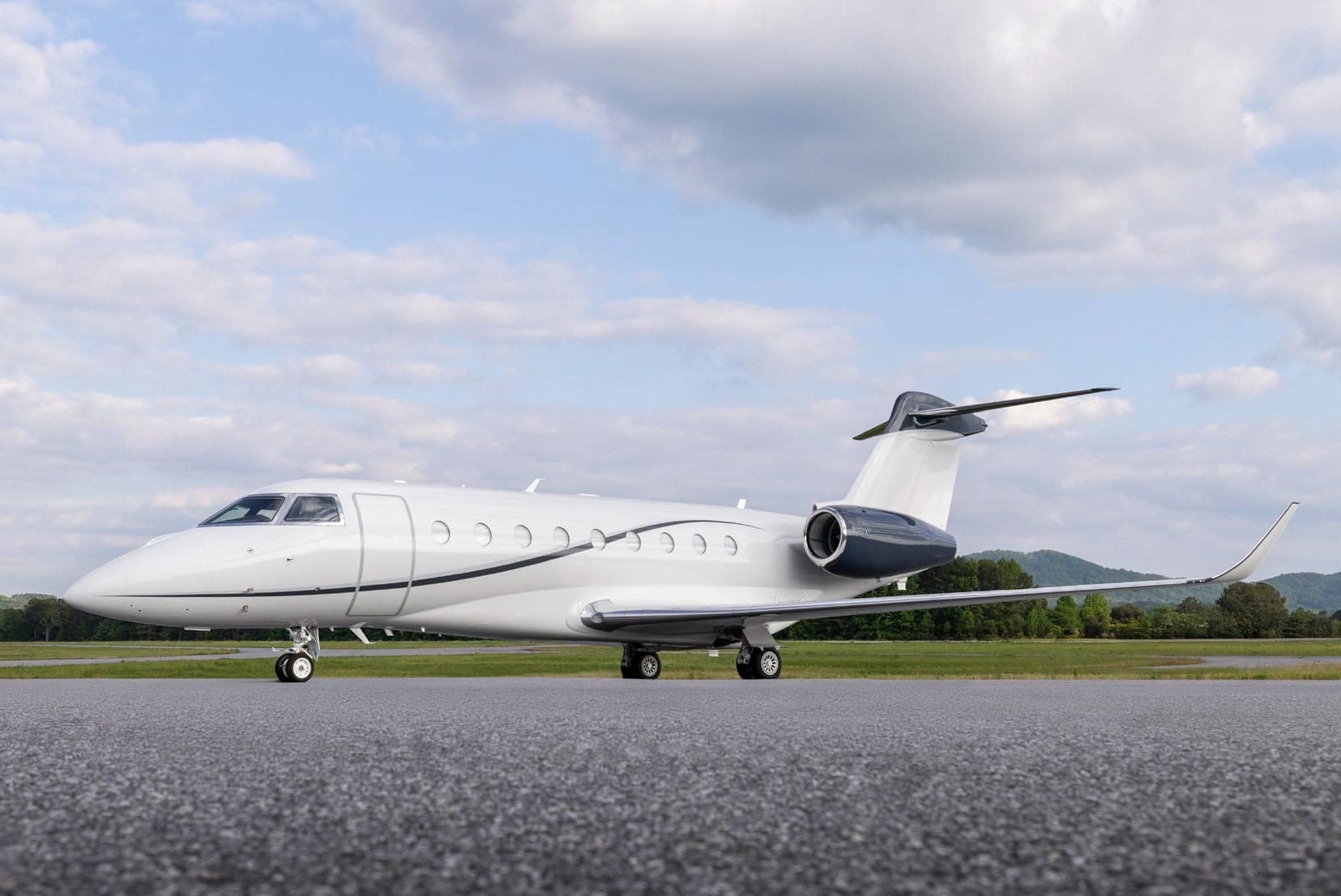
Gulfstream G280
10 pax · 3,600 nm
Model-matched 3D tour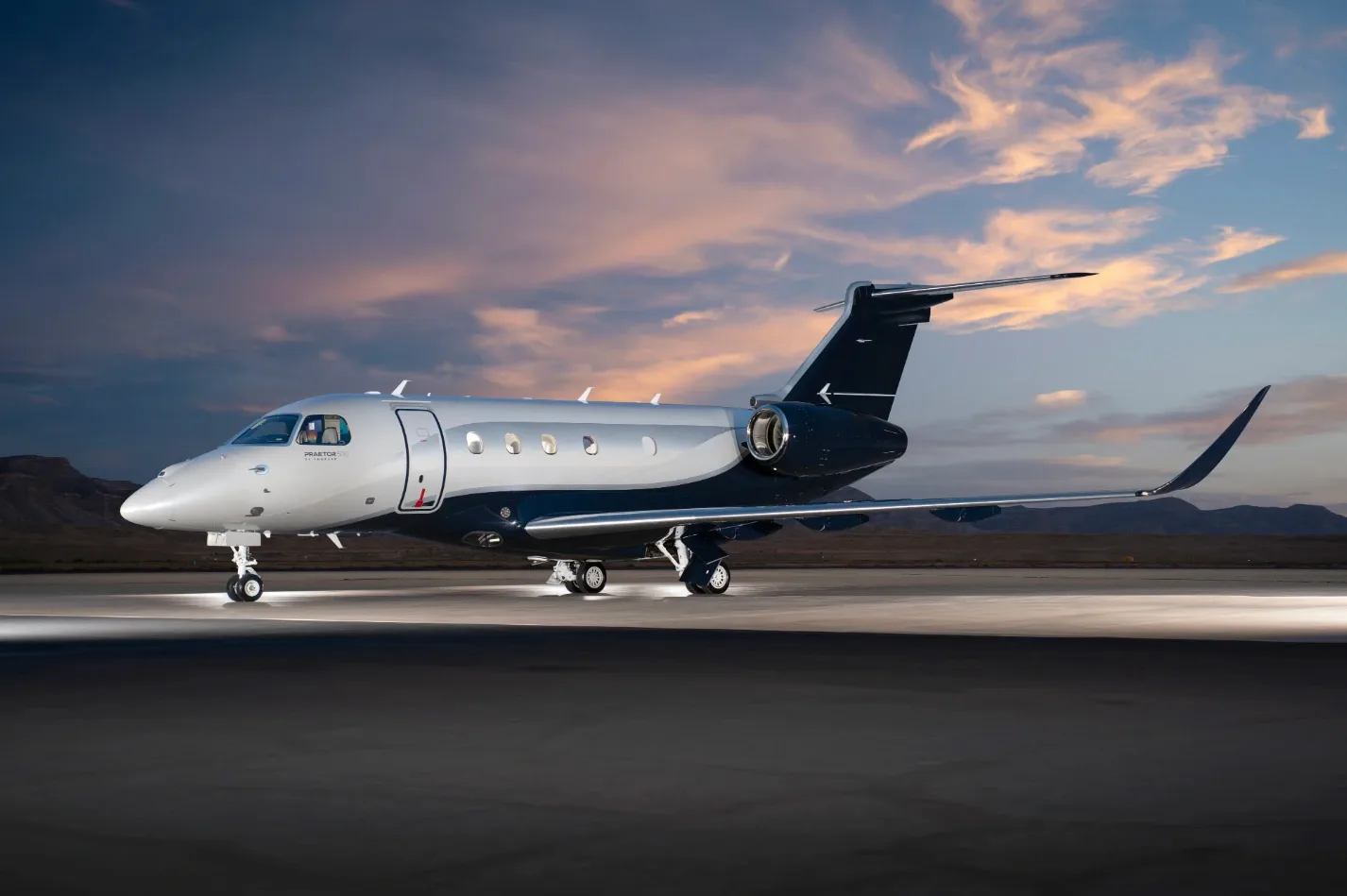
Praetor 500
9 pax · 3,340 nm
Model-matched 3D tour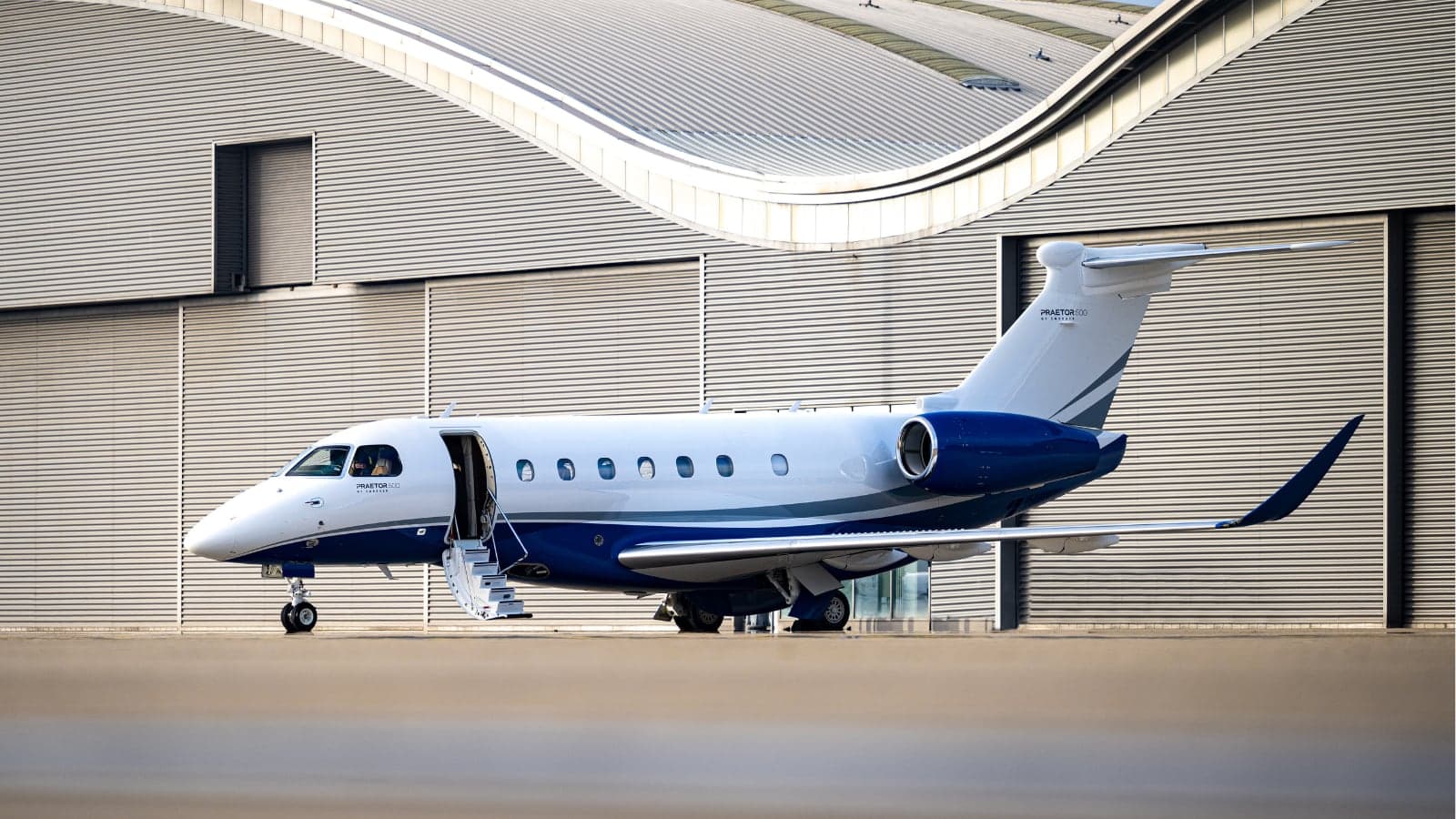
Praetor 600
12 pax · 4,018 nm
Model-matched 3D tour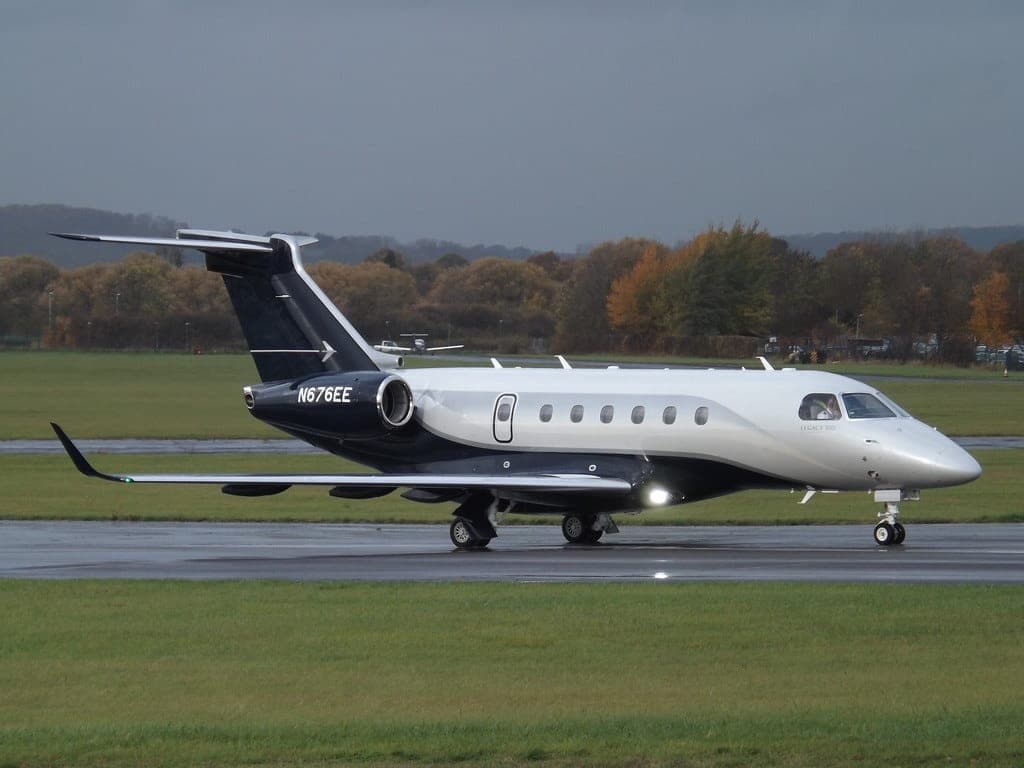
Legacy 500
9 pax · 3,125 nm
Model-matched 3D tour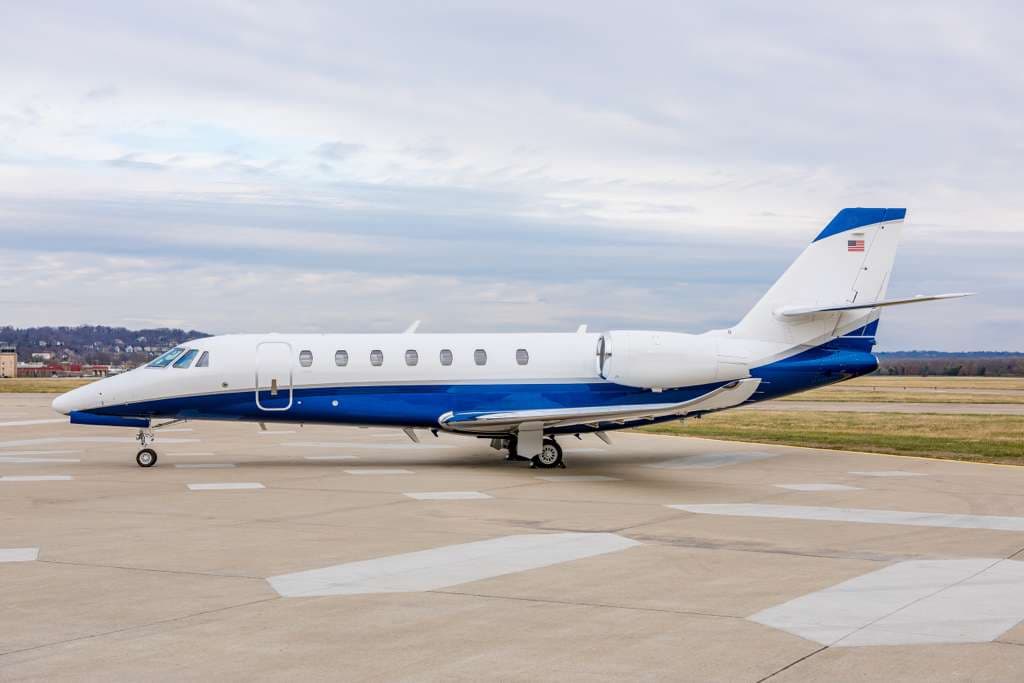
Cessna Citation Sovereign
7 pax · 2,898 nm
Model-matched 3D tour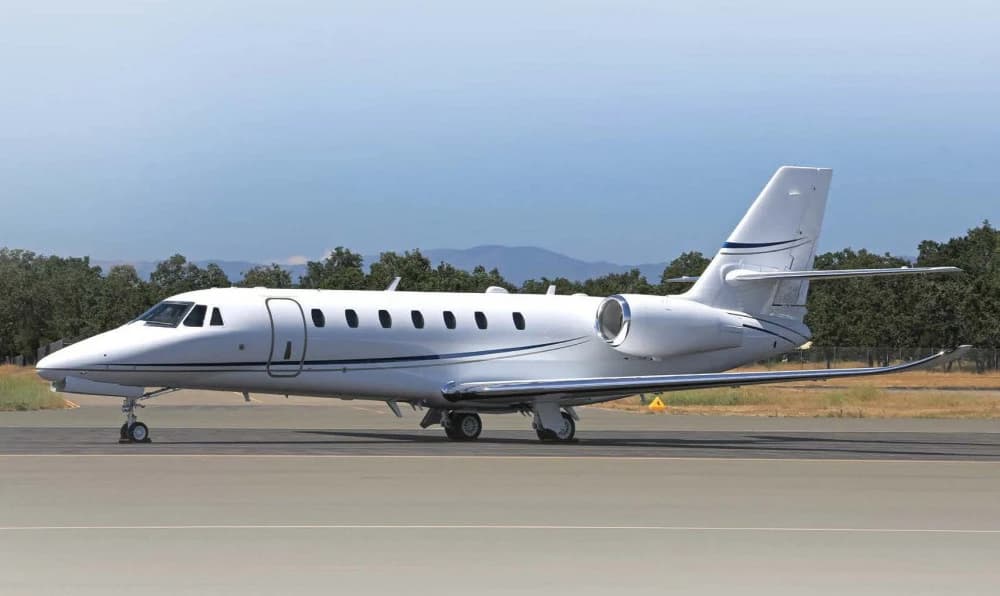
Cessna Citation Sovereign+
9 pax · 3,200 nm
Model-matched 3D tour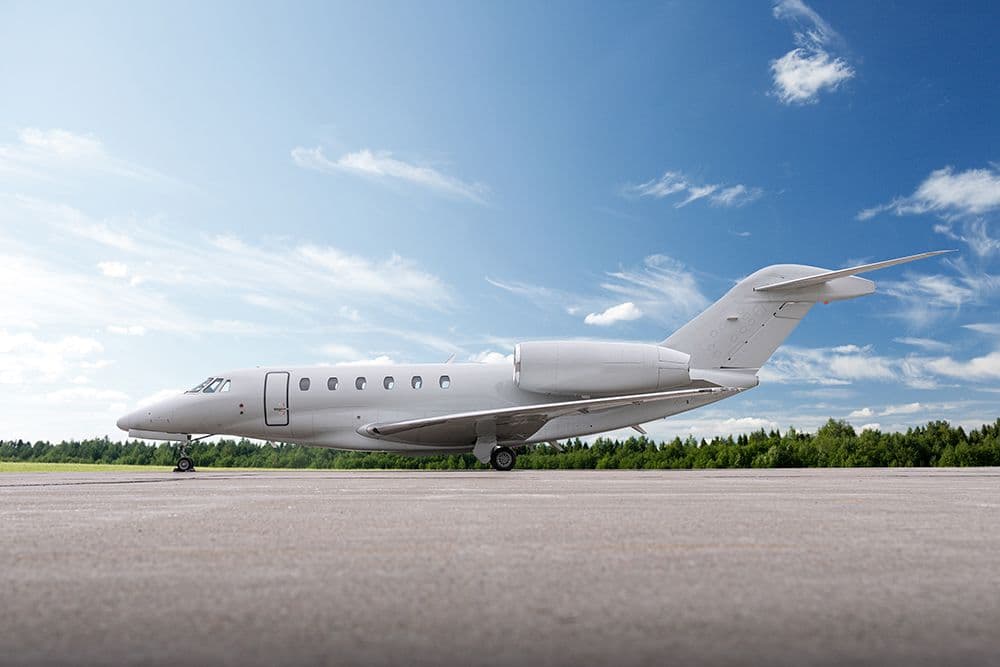
Cessna Citation X
8 pax · 3,326 nm
Model-matched 3D tour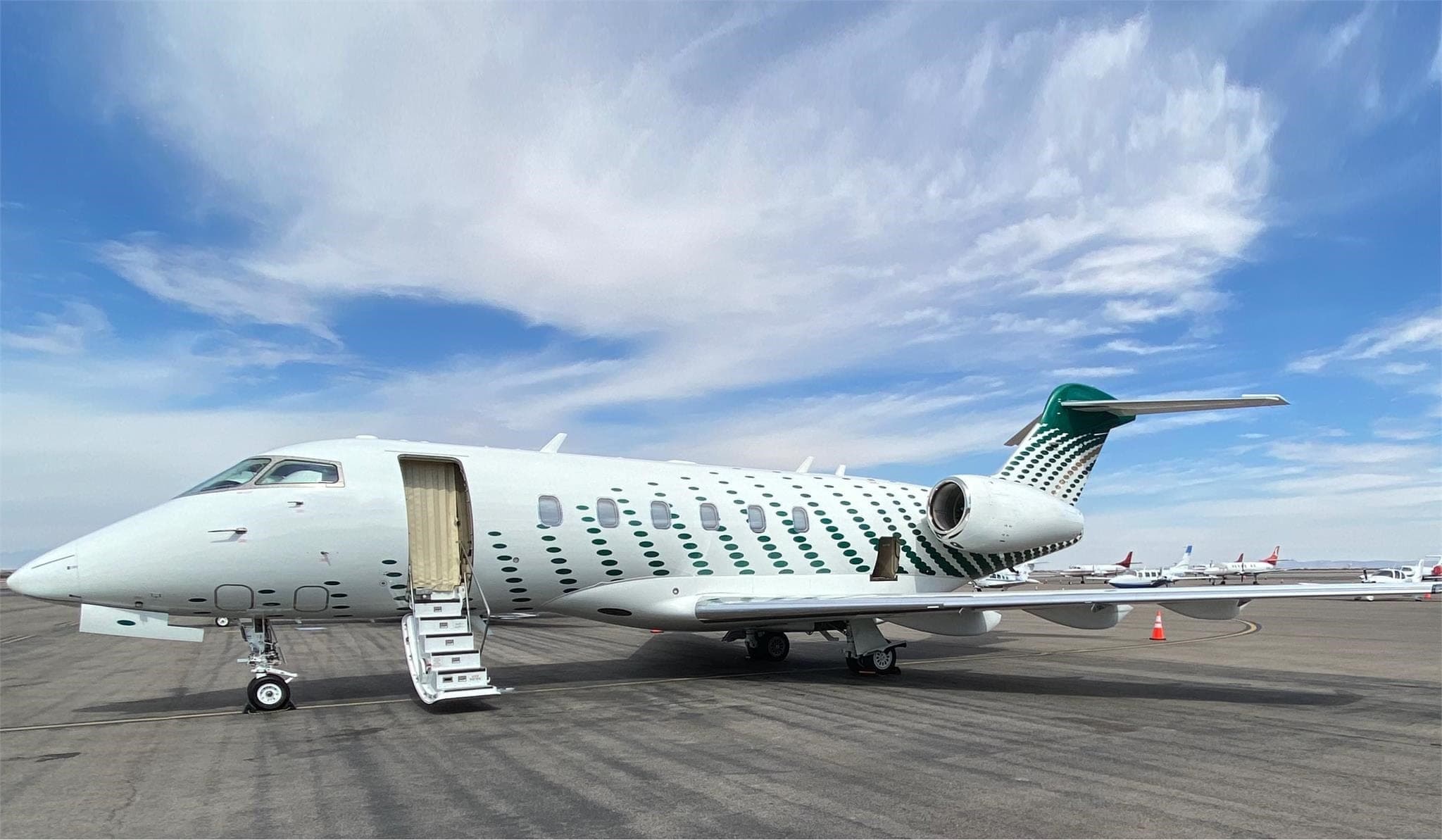
Challenger 300
8 pax · 3,567 nm
Model-matched 3D tourContinue Challenger 3500 charter planning
Compare airport choices, route estimates and cabin categories, then request aircraft and direct-carrier options for your itinerary.
Super Midsize Jet Charter
Return to the published Super Midsize model directory and compare adjacent aircraft.
Continue planningNew York to Los Angeles
Review westbound transcontinental planning without treating a model as a nonstop guarantee.
Continue planningBoston to Los Angeles
Compare airport, payload, winds, reserves and written-trip considerations.
Continue planningPrivate Jet Charter Cost Calculator
Estimate reviewed routes, flight time and whole-aircraft planning ranges before requesting exact pricing.
Continue planningPrivate Jet Charter Safety
Review charter arranger, direct-carrier, operational-control and operator-vetting roles.
Continue planning